

Feeling exhausted, losing your libido, or just not feeling like yourself? You're not imagining it. Low testosterone is a real medical condition. It affects roughly one in five men over 40 — and it's treatable.
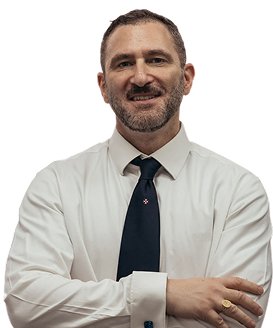
As a consultant urological surgeon specialising in andrology and male fertility, I offer thorough, evidence-based testosterone assessment and individualised treatment — not a one-size-fits-all prescription. Whether you need answers, reassurance, or a carefully managed treatment plan, this page covers everything you need to know.
Already know you need help?
If you've been putting this off and just want to get assessed, you don't need to read every word on this page first. Book a consultation — I'll take care of the rest. But if you want to understand what's happening and what to expect, read on.
The short version
Testosterone deficiency (TD) causes fatigue, low libido, erectile problems, mood changes and loss of muscle mass. It is diagnosed with a morning blood test — ideally a comprehensive hormone panel, not just a single number. When properly prescribed and monitored, TRT (testosterone replacement therapy — treatment to restore testosterone to normal levels) is effective and can be life-changing. The best evidence we have does not show that it increases the risk of heart attack or stroke, and it does not cause prostate cancer — but it does need proper monitoring, and I set out below exactly what that means and what the evidence does and does not settle. If you are planning a family, fertility-preserving protocols exist. You do not have to choose between feeling well and fatherhood.
On this page
Testosterone is not a lifestyle supplement
I want to be direct about this, because the internet is not.
Testosterone replacement therapy is a medical treatment. It suppresses your body's own hormone production, affects fertility, and requires blood monitoring every three to six months — indefinitely. It is not a performance upgrade or a shortcut to feeling 25 again.
I prescribe it when a man has a genuine biochemical deficiency — confirmed on two separate morning blood tests — combined with symptoms consistent with that deficiency and not better explained by something else. That is the clinical standard I follow.
If you are here because you feel tired, stressed, or have lost motivation — those are real symptoms worth investigating. But they are not automatically testosterone deficiency. Thyroid dysfunction, sleep disorders, depression, anaemia, and chronic stress all produce identical symptoms.
A proper assessment rules those out first. That is not a barrier to treatment. That is good medicine.
What is testosterone deficiency?
Testosterone (the main male sex hormone, produced mainly in the testicles) does far more than drive libido. It regulates muscle mass, bone density, fat distribution, red blood cell production, mood, and cognitive function. Think of it as the operating system running quietly behind almost every system in your body.
Testosterone deficiency (TD), also called male hypogonadism (a condition where the body does not produce enough testosterone), occurs when your body does not produce enough testosterone to keep those systems running properly. It is not a lifestyle issue or a sign of weakness. It is a medical condition with measurable biochemical markers and well-established treatments.
TD can be present from birth (congenital) or develop later in life. When it appears gradually in men over 40, it is sometimes called late-onset hypogonadism — though this label can oversimplify what is actually happening. Not every tired middle-aged man has low testosterone. I take careful steps to distinguish genuine TD from other conditions that mimic it.
Symptoms and when to take them seriously
The symptoms of low testosterone are diverse and often insidious. They creep in gradually, and many men put them down to ageing or stress. But there is a difference between normal ageing and a treatable hormone deficiency — and you deserve to know which one you are dealing with.
Symptoms fall into three broad domains:
Sexual symptoms
Reduced libido, erectile dysfunction, loss of early morning erections, delayed ejaculation, reduced sexual satisfaction. Loss of morning erections is a particularly important marker — it's an independent predictor of future cardiovascular risk.
Physical and metabolic
Reduced muscle mass and strength, increased central body fat, chronic fatigue, hot flushes, reduced bone density (osteopenia or osteoporosis), breast tissue growth (gynaecomastia), sleep disturbances.
Psychological and cognitive
Low mood or depression, irritability, generalised anxiety, difficulty concentrating, poor memory (often described as "brain fog"), loss of motivation, reduced sense of well-being.
When to seek assessment
If you are experiencing a combination of symptoms across two or more of these domains — particularly if they have been persistent for several weeks — it is worth getting properly assessed. This is especially important if you also have known risk factors such as type 2 diabetes, obesity, chronic opioid use, or a history of testicular problems. Do not wait for symptoms to become severe. Early assessment means earlier answers.
Some of these symptoms overlap with depression, thyroid disorders, chronic fatigue syndrome, and other conditions. That is precisely why a thorough clinical assessment — not just a blood test — matters. I assess the whole picture, not just a number on a lab report.
Knowledge check
Quick check: Could low testosterone be behind your symptoms?
You've been feeling off for weeks — fatigue, low mood, lost interest in sex. Which of these patterns most suggests testosterone deficiency rather than something else?
Causes and risk factors
Testosterone deficiency has many causes. Understanding yours is the first step toward effective treatment. Some causes are structural and permanent; others are functional and potentially reversible.
These involve physical damage or abnormality of the testes or the pituitary-hypothalamic axis:
- Klinefelter syndrome
- — a chromosomal condition (47,XXY) affecting roughly 1 in 600 men
- Undescended testes
- (cryptorchidism) — particularly if corrected late or bilaterally affected
- Testicular trauma or torsion
- Orchitis
- — particularly post-mumps infection
- Previous chemotherapy or radiotherapy
- Pituitary tumours
- — including prolactinomas and non-functioning adenomas
- Haemochromatosis
- — iron overload affecting the pituitary
- Kallmann syndrome
- — congenital deficiency of gonadotropin-releasing hormone
These suppress testosterone production through indirect mechanisms — and treating the root cause may restore normal levels:
- Obesity
- — visceral fat converts testosterone to oestradiol via an enzyme called aromatase. Weight loss of 10% or more can significantly improve testosterone levels
- Type 2 diabetes and metabolic syndrome
- Chronic opioid use
- — a very common and under-recognised cause
- Obstructive sleep apnoea
- — disrupts the nocturnal pulses of LH needed for testosterone production
- Excessive alcohol consumption
- Chronic stress and cortisol excess
- Certain medications
- — including long-term steroids, spironolactone, and some antidepressants
- Previous anabolic steroid abuse
- — can cause prolonged or permanent suppression of the hormonal axis
Testosterone levels decline naturally by roughly 1–2% per year from around age 30. This is physiological and doesn't automatically mean you need treatment. The key question is always: are you symptomatic? A "low-normal" level with no symptoms doesn't warrant intervention. A borderline level with significant symptoms absolutely warrants investigation.
How testosterone deficiency is diagnosed
A proper diagnosis requires two things: symptoms and biochemistry. Neither alone is sufficient. A low blood test result without symptoms does not justify treatment. Nor should classic symptoms be dismissed because a single result falls just inside a reference range.
The blood test: getting it right
Testosterone follows a daily rhythm — it peaks in the early morning and drops throughout the day. Blood must be drawn between 7:00 and 11:00 AM, ideally fasting, on at least two separate occasions roughly four weeks apart. A single afternoon test is unreliable and can lead to false diagnoses in both directions.
What the numbers mean
The British Society for Sexual Medicine (BSSM) — the UK's leading authority on this topic — sets clear biochemical thresholds. These are the guidelines I follow in my practice:
BSSM diagnostic thresholds (2023 guidelines)
Total testosterone below 8 nmol/L (230 ng/dL): Strongly indicative of testosterone deficiency. TRT is recommended if there are no absolute contraindications.
Total testosterone 8–12 nmol/L (230–346 ng/dL): The "grey zone." If symptoms are present — especially if free testosterone is low — a therapeutic trial of TRT (minimum six months) is appropriate.
Calculated free testosterone below 0.225 nmol/L: Independent evidence supporting TRT, even if total testosterone appears borderline normal.
Total testosterone above 12 nmol/L (346 ng/dL): TRT is rarely indicated unless free testosterone is significantly reduced, typically due to elevated SHBG (sex hormone-binding globulin — a protein that carries testosterone in the blood).
The comprehensive hormone panel
At GGO Med, I don't rely on a basic testosterone check. A proper assessment covers a full hormone and metabolic panel — typically 12 or more markers. This tells us not just whether your testosterone is low, but why it's low and how to treat it safely.
This is a significantly more comprehensive assessment than most NHS GP surgeries or online 'testosterone clinics' offer. It is the difference between a snapshot and the full picture.
Think this might be you?
If the symptoms sound familiar and you want a thorough assessment — not a quick brush-off — I can usually see you within a few days. The consultation includes a detailed clinical history, comprehensive blood panel, and an honest conversation about whether TRT is right for you. Book a testosterone assessment or call us on 020 4576 5779.
Treatment options
Testosterone replacement therapy is not a single product or protocol. It's a spectrum of approaches. The right one depends on your diagnosis, age, fertility plans, lifestyle, and preferences. Here's what's available in the UK in 2026.
Lifestyle optimisation — always the foundation
Before prescribing any medication, I assess whether lifestyle changes alone could improve your testosterone levels. This is not a brush-off — it is genuinely evidence-based. For men with functional hypogonadism driven by obesity, poor sleep, or chronic stress, meaningful lifestyle changes can produce measurable hormonal improvements. If lifestyle changes alone are not enough, we add pharmacotherapy.
TRT delivery methods
Gels are applied daily to the upper arms, shoulders, or abdomen. They deliver a steady, physiological level of testosterone without the peaks and troughs of injections. This is often the first-line option for men who prefer a non-invasive approach.
Advantages: Stable blood levels, easy to adjust dose, painless application, reversible (levels drop within days of stopping).
Limitations: Risk of transfer to partners or children through skin contact (must wash hands and cover application site), daily application required, can cause higher DHT conversion in some men (relevant if hair loss is a concern), variable absorption depending on skin type.
Sustanon 250 (testosterone blend) is injected intramuscularly every 2–3 weeks. It's widely available and cost-effective, but produces notable peaks and troughs — some men feel great for the first week and then crash before the next dose.
Nebido (testosterone undecanoate) is a long-acting injection given every 10–14 weeks. It provides much more stable levels and eliminates the rollercoaster effect. It's the preparation I use most frequently for men on long-term TRT who want convenience and stability.
Advantages: No daily application, no skin transfer risk, predictable dosing schedule, cost-effective (especially Sustanon on NHS).
Limitations: Injection-site discomfort (Nebido is a large-volume injection), peaks and troughs with Sustanon, requires clinic attendance or self-injection training, less easily reversible than gels.
A significant innovation in TRT. Unlike older oral testosterone preparations that were liver-toxic, modern oral testosterone undecanoate uses a lymphatic absorption pathway — the drug is absorbed through the gut directly into the lymphatic system, completely bypassing the liver. This eliminates the hepatotoxicity risk that historically made oral testosterone dangerous.
Advantages: No injections, no skin transfer risk, no absorption variability, painless, convenient twice-daily dosing with meals.
Limitations: Must be taken with a fat-containing meal for proper absorption, relatively new to the UK market (less long-term prescribing data compared to established preparations), twice-daily compliance required.
Not all men with low testosterone need exogenous testosterone. For men with secondary hypogonadism — particularly younger men who want to preserve fertility — selective oestrogen receptor modulators (SERMs) like clomiphene citrate or enclomiphene can stimulate the brain to increase its own production of LH and FSH, which in turn stimulates the testes to produce more testosterone naturally.
Advantages: Preserves (and may improve) sperm production, avoids testicular shrinkage, raises endogenous testosterone, reversible.
Limitations: Not effective for primary hypogonadism (where the testes themselves are the problem), potential side effects include mood changes and visual disturbances (less common with enclomiphene than clomiphene), off-label use in the UK (clomiphene is licensed for female ovulation induction).
Enclomiphene is the purified active isomer of clomiphene, with fewer side effects and a more targeted action. It's rapidly becoming my preferred first-line option for younger men with secondary hypogonadism who want to maintain fertility.
When specialist collaboration matters
I manage the majority of testosterone deficiency cases independently. However, some situations require joint management with an endocrinologist or other specialists — and I'll always be upfront about when that applies to you.
Cases where I typically involve an endocrinologist include: suspected pituitary pathology (prolactinomas, non-functioning adenomas, Cushing's syndrome), Klinefelter syndrome or other complex genetic conditions, refractory secondary hypogonadism that doesn't respond to standard treatment, adrenal insufficiency, and patients with complex metabolic comorbidities requiring coordinated hormone management.
I work within a network of trusted endocrinologists, reproductive medicine specialists, and psychosexual therapists. If your case needs more than one pair of hands, I'll coordinate that — not leave you to navigate it alone.
Monitoring on TRT
Starting TRT is not the end of the conversation — it's the beginning of a partnership. I follow a structured monitoring protocol to ensure your treatment is working, safe, and adjusted to your body's response. You'll never manage this alone.
Blood pressure is now part of routine monitoring on testosterone. In February 2025 the US Food and Drug Administration updated the labelling for all testosterone products — removing the older blanket cardiovascular warning, in light of the reassuring TRAVERSE results, while adding a new caution that testosterone can raise blood pressure. In line with this, I check your blood pressure before you start and at your review appointments. The TRAVERSE follow-up also recorded a small increase in atrial fibrillation (an irregular heart rhythm) among men taking testosterone; its long-term significance is still uncertain, but it is one more reason that structured monitoring matters. This is consistent with the 2026 statement of the European Expert Panel for Testosterone Research, which concludes that testosterone therapy is cardiovascularly safe in appropriately selected, properly monitored men — while not being a treatment for the heart in its own right.
The TRAVERSE numbers in full — including the ones that are less comfortable
Since this is the trial the whole cardiovascular question now rests on, you should have its findings in full rather than only the headline. TRAVERSE followed 5,246 men aged 45 to 80 who had low testosterone together with either established heart disease or a high risk of it — deliberately the highest-risk group you could study — for an average of 33 months.
On the outcome that matters most, the combined rate of heart attack, stroke and cardiovascular death, testosterone was no worse than placebo: 7.0% against 7.3%. That is genuine, high-quality reassurance on the classic fear.
The same trial also recorded higher rates of some other events in the testosterone group: atrial fibrillation, an irregular heart rhythm, in 3.5% against 2.4%; acute kidney injury in 2.3% against 1.5%. Both of those differences were statistically significant. Pulmonary embolism — a clot in the lungs — was numerically higher at 0.9% against 0.5%, though the trial did not establish that this difference was statistically significant. Non-fatal arrhythmias needing treatment were also higher, at 5.2% against 3.3%.
Two things to hold alongside those numbers. They come from the arm treated with testosterone gel, so they are not established in the same way for injectable preparations. And they are reasons for proper assessment and monitoring, not reasons to avoid treatment that you genuinely need.
What the regulators did — and did not do
The February 2025 FDA changes also kept two cautions in place, and both matter. The labelling still states that the safety and effectiveness of testosterone in men with age-related (sometimes called late-onset) hypogonadism has not been established — testosterone is not a treatment for a number that drifts down with age alone. And the warning about venous thromboembolism, meaning deep vein thrombosis and pulmonary embolism, remains in place.
It is also worth being clear about whose decisions these were. They are the decisions of the United States regulator. The MHRA has not made an equivalent change to UK product information, and neither has the European Medicines Agency — in fact the EU never imposed the blanket cardiovascular warning that the FDA has now withdrawn, so there was nothing here for it to remove. UK product information has long advised caution in men with high blood pressure. Your treatment here is governed by UK product information and by clinical judgement, not by an American label change.
What this means for how I treat you
This is why my monitoring is not a formality. Before you start, I check your baseline blood count, blood pressure and cardiovascular risk. On treatment I track your haematocrit — the thickness of your blood, since testosterone stimulates red-cell production and blood that becomes too concentrated raises clot risk — and if it climbs above 0.54 I reduce the dose or change the preparation. Blood pressure is checked at every review. If you have a history of atrial fibrillation, of clots, or of significant heart or kidney disease, we discuss that specifically, and where it is needed I share your care with a cardiologist.
Not sure which treatment approach suits you?
The right option depends on your diagnosis, your age, your fertility plans, and your life. That's a conversation, not a flowchart. Book a consultation and we'll work it out together — no commitment, no pressure.
When I do not prescribe testosterone
Restraint is part of good hormonal medicine. There are clinical situations where testosterone is not the right answer — even when a man is symptomatic and wants treatment.
If I tell you that TRT is not appropriate for you right now, that is not a dismissal. It is a clinical opinion based on your specific situation.
In many cases, I can identify the reversible cause of your low testosterone and help you address it — which is a better outcome than lifelong hormone replacement.
TRT and male fertility — a critical conversation
This is one of the most important sections on this page. If there is any possibility you might want children in the future — even if it feels distant — read this before starting any testosterone treatment. Fertility-preserving options exist. They need to be planned from the start, not scrambled for after the fact.
If you are planning a family, read this section carefully
Standard testosterone replacement therapy is fundamentally contraceptive. Exogenous testosterone suppresses the brain signals (LH and FSH) that drive sperm production. Without appropriate precautions, TRT can cause severe reductions in sperm count — including complete azoospermia (absence of sperm). This is not a rare side effect; it is the expected physiological response.
This is one of the most important conversations I have with men starting treatment. Many prescribers — particularly online clinics and non-specialist GPs — fail to have it adequately. I have seen men referred to me by fertility clinics after months or years on unmonitored testosterone, with zero sperm and a partner running out of time. This is preventable.
Fertility-preserving protocols
The 2026 clinical standard is clear: no man of reproductive age should start testosterone monotherapy without a fertility discussion. At GGO Med, I tailor the approach to your timeline:
All exogenous testosterone must stop immediately. I transition to an aggressive recovery protocol: high-dose human chorionic gonadotropin (hCG) — typically 1500–3000 IU every other day — often combined with clomiphene citrate (25–50 mg daily). Semen analyses are checked every 8 weeks to track recovery. If FSH response is inadequate, recombinant FSH (rFSH) may be added to directly support sperm maturation.
TRT can potentially continue, but it must be co-administered with hCG (typically 500–1000 IU, 2–3 times per week) to maintain intratesticular testosterone above the critical threshold for spermatogenesis. Clomiphene may also be added. Close monitoring with regular semen analyses is essential.
For younger men who need long-term TRT but want to retain fertility options, I maintain a baseline dose of hCG alongside testosterone to prevent testicular atrophy and fibrosis. Alternatively, periodic "hCG reset" protocols (4 weeks off TRT with intensive hCG) every 6 months can maintain testicular function. Sperm banking before starting TRT is also a sensible precaution that I always discuss.
Worried about fertility and testosterone?
If you're already on TRT without fertility protection, or you want to start treatment without risking your future plans, this is exactly the kind of conversation I have every week. There are solutions — and the sooner we discuss them, the more options we have. Get in touch.
Myths and misconceptions
Testosterone replacement therapy is one of the most mythologised treatments in modern medicine. Decades of misunderstanding — amplified by social media, conflation with anabolic steroid abuse, and outdated medical teaching — have left many men and clinicians unnecessarily fearful. Let me address the big ones directly.
Knowledge check
Quick check: Does TRT cause prostate cancer?
This is one of the most persistent myths in men's health. What does the evidence actually show?
Knowledge check
Quick check: Is TRT dangerous for your heart?
For years, cardiovascular safety was the biggest unanswered question in testosterone medicine. A landmark trial finally settled it. What did it find?
TRT myths debunked
Four of the most common misconceptions — and what the evidence actually shows.
Fact
The TRAVERSE trial settled this definitively
The TRAVERSE trial was a massive, FDA-mandated, randomised controlled trial involving over 5,200 men who already had cardiovascular risk factors. The result: the rate of heart attacks, strokes, and cardiovascular death was virtually identical between the testosterone group and placebo (7.0% vs 7.3%). What is often overlooked is the flip side: untreated testosterone deficiency is itself an independent cardiovascular risk factor. Low testosterone promotes visceral fat gain, insulin resistance, and systemic inflammation. The T4DM study demonstrated that treating men with low testosterone and pre-diabetes reduced their progression to type 2 diabetes by 41%.
Fact
Restoring normal levels does the opposite
This confuses two entirely different things. Supraphysiological doses of anabolic steroids — the kind used illicitly for bodybuilding — can cause mood instability and aggression. That is steroid abuse, not medical treatment. Restoring testosterone to normal physiological levels does the opposite. Clinical studies using validated instruments — the Beck Depression Inventory, the Aging Males Symptoms scale, the PHQ-9 — consistently show improvements in mood, reductions in irritability, and better emotional regulation. Testosterone is a neurosteroid: it crosses the blood-brain barrier and modulates serotonin and dopamine signalling.
Fact
Genuine deficiency is a medical condition, not a lifestyle problem
There is a grain of truth here. Not every tired, stressed, or low-energy man has testosterone deficiency — fatigue has many causes. But genuine testosterone deficiency is not a lifestyle problem. It is a medical condition with objective biochemical markers and evidence-based treatments. The clinical challenge is distinguishing real pathology from lifestyle-induced fatigue — which is precisely why a proper specialist assessment matters. I will not prescribe testosterone to a man with normal hormone levels just because he is exhausted. But equally, I will not dismiss a symptomatic man with borderline results because his number lands one decimal place inside an arbitrary reference range.
Fact
It depends entirely on why your testosterone is low
If you have primary hypogonadism — meaning the testes themselves are damaged or failing (Klinefelter syndrome, previous chemotherapy, bilateral orchidectomy) — then yes, TRT is typically lifelong. But for men with secondary hypogonadism driven by reversible causes — obesity, chronic opioid use, medications, poorly managed sleep apnoea — addressing the underlying cause can restore natural testosterone production. Some men use TRT as a bridge while they lose weight, change medications, or get CPAP in place, then successfully taper off. The point is that TRT does not automatically lock you in for ever — it depends on your specific diagnosis.
Feeling more reassured?
Most of my patients arrive with at least one of these fears. Once we work through the evidence together, the decision becomes much clearer. If you're ready to move forward — or you just want to talk it through — book a consultation or call us.
Testosterone therapy in women
Although this page focuses on male testosterone deficiency, testosterone is not exclusively a male hormone. Women produce it too — in fact, in greater quantities than oestrogen — and it plays important roles in libido, energy, cognitive function, and bone health.
Post-menopausal women — particularly those who have had their ovaries removed (surgical menopause) — can experience a profound decline in testosterone. NICE guidelines and the British Menopause Society formally support considering testosterone therapy for post-menopausal women with hypoactive sexual desire disorder (HSDD) when standard HRT has not resolved the issue.
Testosterone deficiency does not discriminate by gender. If this applies to you or your partner, I am happy to discuss it or arrange an appropriate referral.
TRT, sport, and anti-doping
If you compete in any organised sport — from local club level to elite competition — testosterone's status as a prohibited substance under WADA (the World Anti-Doping Agency) regulations makes this a complex area requiring careful navigation.
Key facts for athletes
Testosterone and all its esters (cypionate, enanthate, propionate, undecanoate) are banned under WADA Class S1 — Anabolic Agents — at all times, both in-competition and out-of-competition. This applies to all delivery methods: injections, gels, creams, and oral preparations.
Men with genuine, clinically diagnosed organic hypogonadism may apply for a TUE (therapeutic use exemption — official permission to use a banned substance for medical reasons), but the diagnostic bar is exceptionally high. WADA requires proof of organic pathology (structural or genetic), not functional or age-related decline. Previous anabolic steroid abuse universally disqualifies a TUE application.
I have worked with competitive athletes navigating this intersection and understand the regulatory requirements well. If you are an athlete with suspected testosterone deficiency, the diagnostic workup and documentation must be meticulous from the outset.
This page sits alongside our existing Varicocele and Sport guide as part of our athlete health resources.
Testosterone in gender-affirming care
Testosterone therapy is a vital component of gender-affirming hormone therapy (GAHT) for transmasculine individuals. The clinical objectives, monitoring parameters, and safety considerations differ from those in cisgender male TRT, and follow WPATH Standards of Care Version 8 guidelines.
At GGO Med, I believe in inclusive healthcare. Gender-affirming care involves a multidisciplinary team — I work within a network of endocrinologists, psychosexual therapists, and gender-affirming surgeons. All people who need testosterone therapy, regardless of gender identity, receive expert, evidence-based, and compassionate care.
Living with testosterone deficiency
Testosterone deficiency does not just affect your hormones — it affects your confidence, your relationships, your work, and your sense of self. Many men I see describe feeling like a shadow of who they used to be. That is not an exaggeration, and it is not 'all in your head.'
Successful treatment goes beyond normalising a blood test. It means restoring your energy, drive, interest in sex, ability to build muscle, clarity of thought, and emotional resilience. For many men, TRT is genuinely transformative.
TRT is not a magic bullet. It will not fix a relationship that was struggling before your testosterone dropped. It will not automatically give you the body of a 25-year-old. And it requires commitment — regular blood tests, consistent medication use, and ongoing communication with your clinician.
Impact on sexual function
Low testosterone is one of the most common organic causes of reduced libido and contributes to erectile dysfunction. Restoring testosterone often improves desire and can enhance erectile function — though if your ED has a significant vascular component, you may still benefit from additional treatments such as PDE5 inhibitors or other ED therapies.
If low desire is your main concern, testosterone is only one possible cause. My guide to low libido in men explains the others, and when a hormone test genuinely helps.
Emotional and psychological support
Some men find that psychological symptoms — anxiety, low confidence, or relationship strain — persist even after testosterone levels are optimised. This is normal and does not mean treatment has failed. It often means the psychological impact of untreated TD has left patterns that benefit from targeted support. I work closely with psychosexual therapists who understand the specific challenges of hormone-related mood and relationship issues.
What to expect at GGO Med
Step 1: Comprehensive consultation
An extended, unhurried appointment where I take a detailed history, discuss your symptoms, assess risk factors, and understand your goals — including fertility plans. No rushing, no assumptions.
Step 2: Advanced blood panel
A comprehensive hormone and metabolic screen — not a basic testosterone check. Results are typically available within 48 hours. I review every result personally.
Step 3: Diagnosis and treatment plan
We review results together. If TRT is appropriate, I explain all options — delivery method, monitoring schedule, fertility considerations, and realistic expectations. If TRT isn't indicated, I'll tell you why and what else we can do.
Step 4: Structured follow-up
Regular monitoring at 6 weeks, 3 months, and 6-monthly thereafter. Dose adjustments based on symptoms and biochemistry. Direct access to me and my team between appointments if concerns arise.
I see patients at our Chelsea (369 Fulham Road) and Highgate clinics. Initial consultations are also available via video for men outside London who want specialist input before travelling for an in-person assessment.
Frequently asked questions
Related guides and resources
Frequently asked questions
The main upfront cost is the initial consultation and the comprehensive blood panel. After that, ongoing medication costs depend on which delivery method suits you best. Sustanon injections are very affordable — often just a few pounds per month. Nebido (long-acting injectable) costs more but means fewer visits. Newer oral preparations like Kyzatrex sit somewhere in between. I'm transparent about costs from the first appointment, and I'll always discuss the most cost-effective option for your clinical situation. Many patients find that once a specialist has initiated TRT and established the monitoring protocol, their GP is happy to continue prescribing on the NHS — which can significantly reduce the ongoing expense.
It can accelerate hair loss, but only in men who are already genetically predisposed to androgenetic alopecia (male pattern baldness). Testosterone is converted to dihydrotestosterone (DHT) by an enzyme called 5-alpha reductase in the scalp, and DHT is the primary driver of follicular miniaturisation in susceptible individuals. The important word is "accelerate." TRT doesn't cause baldness in men who weren't going to experience it anyway — it may bring forward what would have happened regardless, just more slowly. And it's manageable: I can monitor DHT levels, adjust the delivery method (some formulations produce higher DHT conversion than others), and if needed, co-prescribe a 5-alpha reductase inhibitor like finasteride to protect your hair while you benefit from treatment.
Untreated severe obstructive sleep apnoea (OSA) is a relative contraindication — meaning it needs to be addressed before or alongside TRT, not that TRT is permanently off the table. The concern is that testosterone can alter respiratory drive and upper airway muscle tone, potentially worsening untreated OSA. However, if your sleep apnoea is effectively managed — typically with CPAP therapy — TRT can be safely initiated. In fact, the combination often produces synergistic benefits: better energy, easier weight loss, and improved sleep quality. I screen every patient for OSA using validated questionnaires (such as STOP-BANG) before starting treatment, and I'll refer you for a sleep study if there's any clinical suspicion.
When properly prescribed and monitored, the evidence supports long-term safety. The TRAVERSE trial — the largest and most rigorous study ever conducted on this question — showed no increased cardiovascular risk over a median follow-up of 33 months in men who already had cardiovascular risk factors. The key word is "monitored." Long-term safety depends on three things: appropriate patient selection (treating men who genuinely need it, not those who don't), correct dosing (physiological replacement, not supraphysiological bodybuilding doses), and structured follow-up (regular blood tests checking haematocrit, PSA, lipids, and liver function). TRT prescribed by a specialist with proper oversight is a very different proposition from unmonitored testosterone bought from an unregulated online source — and the safety profiles are not comparable.
You won't be the first person to feel that way, and you certainly won't be the last. Most of the men I see have put off this conversation for months or even years — often because they felt it was somehow a weakness or something they should just live with. Testosterone deficiency is a medical condition. It is no more embarrassing than an underactive thyroid or type 2 diabetes. My clinic exists specifically for men's health concerns, and my team has these conversations every day. There is no judgement here — not from me, not from my secretary, not from anyone in the building. The hardest part is almost always making that first call. Once you do, it gets much easier.
GPs can prescribe TRT, and many do. But a significant number of GPs are understandably cautious about initiating it — the diagnosis requires specialist interpretation, the fertility implications need careful discussion, and the monitoring protocol is more involved than most routine prescriptions. In practice, the most common pathway is: a specialist (urologist or endocrinologist) initiates treatment, establishes the diagnosis, chooses the delivery method, and sets up the monitoring schedule — then the GP takes over ongoing prescribing under a shared-care arrangement. I provide detailed management plans and shared-care letters specifically designed to make this handover as smooth as possible. Most GPs appreciate having clear guidance and are happy to continue once the framework is in place.
TRT typically causes a modest rise in PSA within the first 6 to 12 months, after which it stabilises. This reflects restored androgen activity in the prostate — it's an expected pharmacological effect, not a sign of malignant growth. I check PSA at baseline and at every monitoring visit. What I watch for is velocity — a rapid or disproportionate rise warrants further investigation, but that's true for any man, regardless of whether he's on TRT. It's worth knowing that current BSSM and EAU guidelines now support the cautious initiation of TRT even in men who have been successfully and curatively treated for localised prostate cancer, provided there is no evidence of active disease after an appropriate surveillance period. The old blanket prohibition has been replaced by a more nuanced, evidence-based approach.
Some improvements appear within weeks; others take months. As a rough guide: Libido and energy often improve within 3 to 4 weeks. Mood and emotional stability typically follow within 6 weeks. Erectile function improves gradually over 3 to 6 months. Body composition changes — reduced visceral fat, increased lean muscle mass — become noticeable over 6 to 12 months. Bone density improvements take the longest, typically 12 to 24 months. I always set realistic expectations. TRT is not a performance-enhancing shortcut — it's a gradual restoration of what your body should have been producing all along. The men who do best are those who combine treatment with consistent lifestyle optimisation: good sleep, regular exercise, healthy weight management, and stress reduction.
A careful assessment. An honest answer.
If you have been living with symptoms that sound familiar — the fatigue, the lost libido, the fog — getting properly assessed is the first step toward feeling like yourself again. A single appointment could give you answers you have been waiting months for.
This page was written by Mr Giangiacomo Ollandini, Consultant Urological Surgeon, and last reviewed in February 2026. It is intended for patient education and does not replace individualised medical advice.